Designing for AI + Human Synergy: Why Empathy Still Wins

When I first integrated AI into post-purchase and operational flows at Wayfair, I realized quickly that technology alone cannot deliver great experiences. AI is powerful, it can generate product recommendations, automate customer interactions, and predict user behavior. Yet, without empathy guiding its application, it risks feeling mechanical or even frustrating.
The Role of Empathy in AI-Driven Design
In a global design team, empathy became our lens for evaluating AI output. Every recommendation or automated action had to pass a simple test: Would this feel natural, helpful, and trustworthy to a real human?
For instance, our AI agents could autonomously issue refunds for damaged orders. But instead of letting them act silently, we designed contextual explanations and intervention points: the system would explain why it issued the refund and offer a human override. This approach maintained operational efficiency without sacrificing the human experience.
Humans as Curators
AI excels at pattern recognition and prediction, but humans excel at judgment, nuance, and emotion. As designers, our role shifts: we are no longer just creators of interfaces; we are curators of AI decisions, choosing what is surfaced, how it is framed, and when it intervenes.
This requires thoughtful interaction design, clear mental models, and predictable behavior. Every automated suggestion or recommendation must feel intentional and supportive. In practice, this means combining AI efficiency with the emotional intelligence of design.
Humans as Curators
AI excels at pattern recognition and prediction, but humans excel at judgment, nuance, and emotion. As designers, our role shifts: we are no longer just creators of interfaces; we are curators of AI decisions, choosing what is surfaced, how it is framed, and when it intervenes.
This requires thoughtful interaction design, clear mental models, and predictable behavior. Every automated suggestion or recommendation must feel intentional and supportive. In practice, this means combining AI efficiency with the emotional intelligence of design.
Global Team Collaboration
Working across Seattle, Montreal, Boston, Galway, Berlin and Bangalore added layers of complexity. Our teams had to align not only on design principles but also on ethical and cultural considerations for AI-human interactions. Feedback loops across continents ensured that AI outputs respected diverse user expectations and brand values.
"
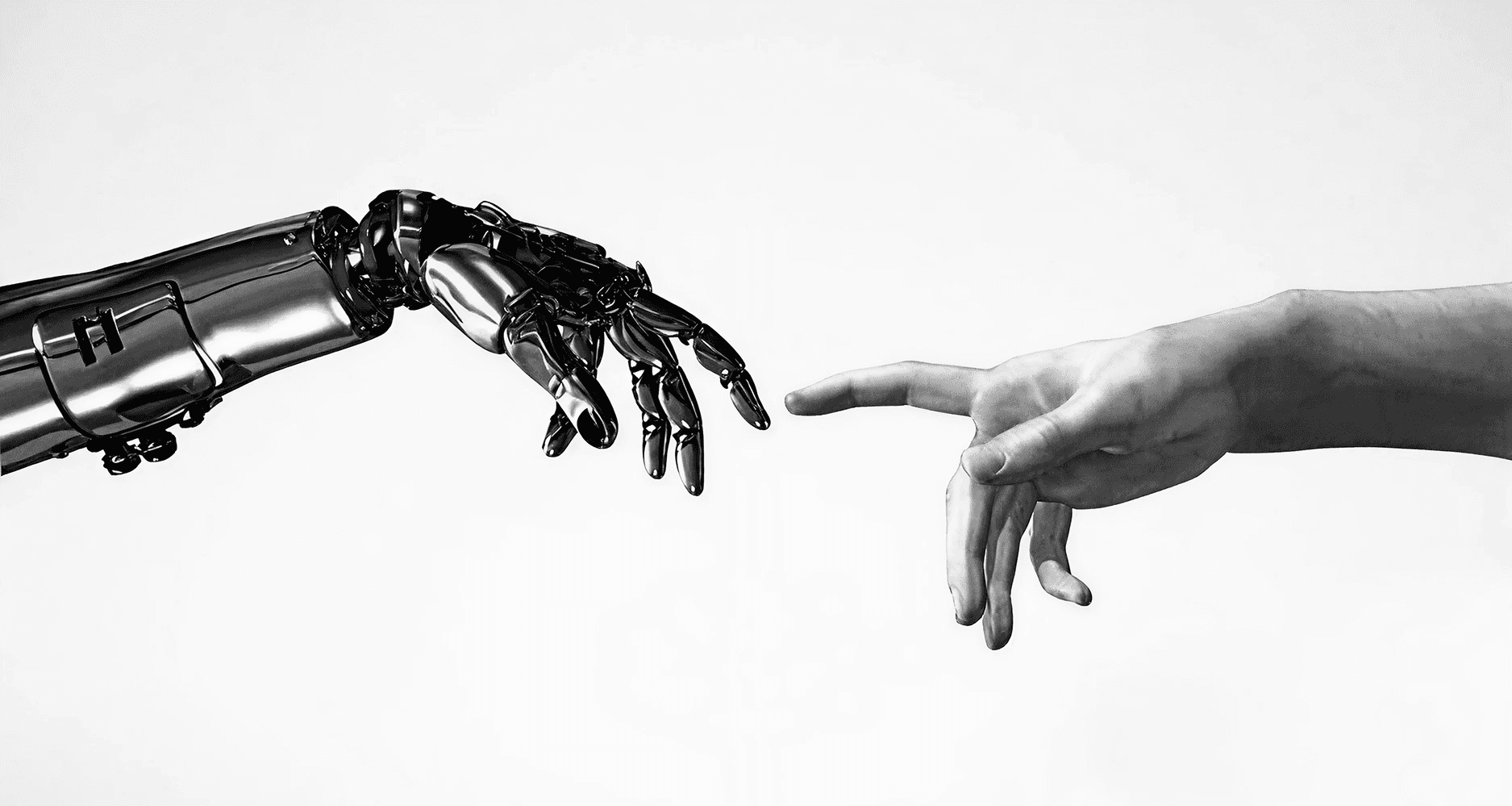
AI can optimize, predict, and automate, but empathy remains the human advantage. The best experiences come from where they meet.
Impact
By prioritizing empathy in AI-human systems, we achieved:
Higher customer satisfaction scores
Increased trust in automated support flows
Reduced friction in post-purchase and operational experiences
More importantly, we learned that empathy scales. AI can execute actions at scale, but human-centered design ensures those actions feel human.
Conclusion
Empathy is the anchor that keeps AI design grounded. For product designers and leaders, the challenge is to harness AI’s capabilities while ensuring every user interaction remains meaningful, understandable, and human-centric. The best experiences emerge where technology amplifies, not replaces, human empathy.