Leading with Context: Designing Across Time Zones, Cultures, and Constraints
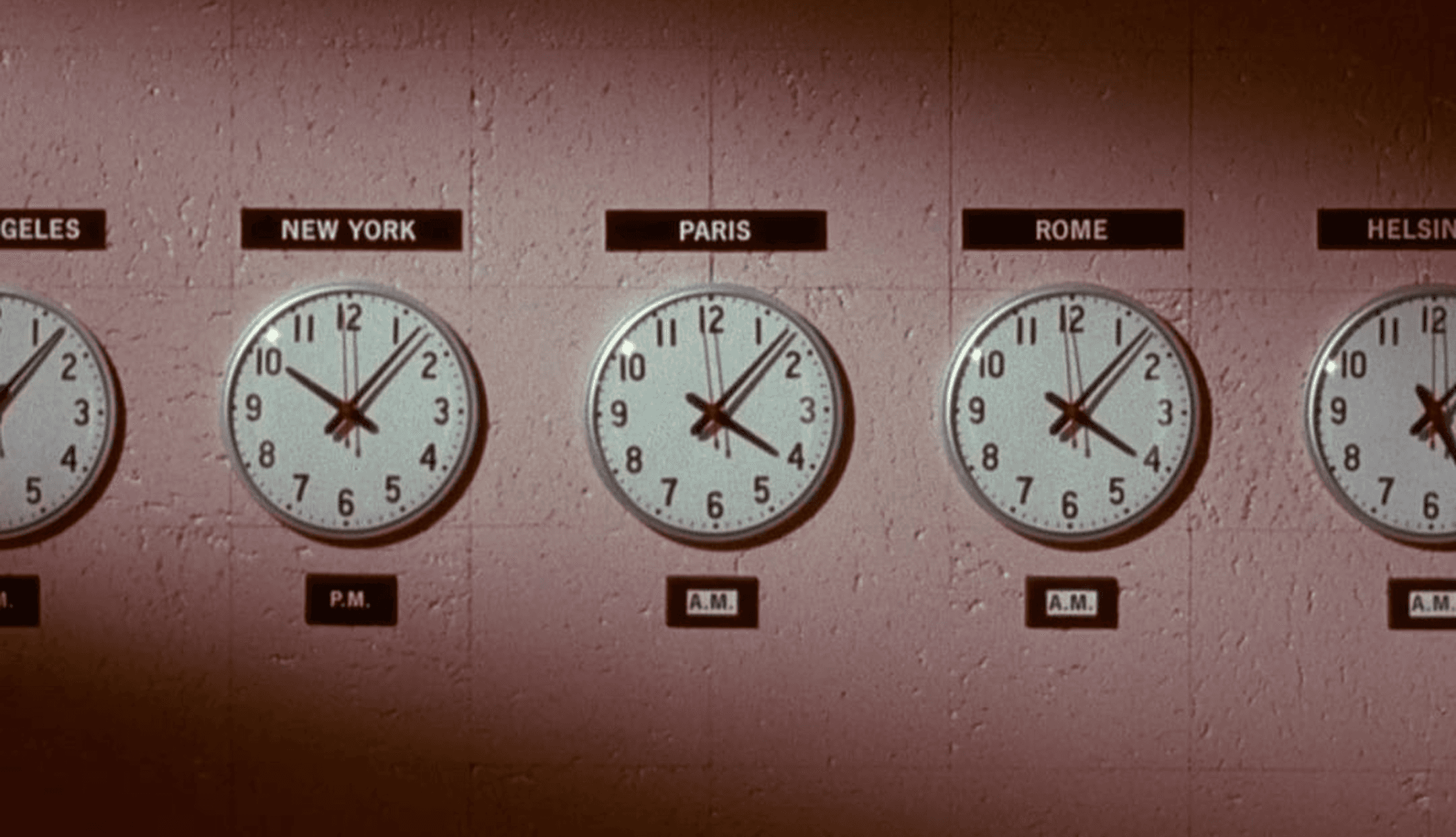
I still remember the first time I joined a 12:00AM design critique with my team in Bangalore. I was based in Boston at the time, leading a distributed design org that stretched from Seattle to India. The conversation wasn’t about pixels or prototypes, it was about alignment.
That experience taught me something I’ve carried through every leadership role since: leading global design teams is less about coordination and more about context.
Design Leadership in a Global Org
At Wayfair, I led design across multiple product domains, spanning supply chain tools, customer service systems, and internal operations platforms. Our design team collaborated daily with engineers and PMs in multiple time zones.
Early on, I tried to replicate the “in-office” rhythm remotely. Daily standups. Sync-heavy reviews. It didn’t scale. What worked in Boston collapsed in Bangalore. That’s when I realized: leadership across geographies isn’t about forcing uniformity, it’s about designing shared understanding.
Context as a Leadership Tool
I began structuring projects around what I called “context briefs.” Every major initiative started with three questions:
Why does this matter right now?
Who does it impact?
What outcomes define success?
Instead of lengthy decks, these became living documents, concise, visual, and open for contribution. Designers in any region could add notes about user research, market nuances, or operational constraints. It wasn’t just a brief; it was a context map.
This small shift transformed everything. Suddenly, when a designer in India pushed a new design iteration, it aligned perfectly with the needs of a PM in Seattle, even if they’d never spoken live.
Designing for Time Zones
Time zones are not barriers; they’re rhythms. Once I stopped treating them as obstacles, I realized our distributed nature could be an advantage. Work became a 24-hour creative relay. Ideas that began in Boston were refined overnight in Bangalore and tested by morning in Seattle.
The key was asynchronous storytelling. I replaced status meetings with narrative updates, Loom videos that explained design decisions, Figma comments framed as mini case studies, and AirTable where progress unfolded visually.
When people understand why something exists, they don’t need to ask when it’s happening.
Cultural Empathy as Strategy
Designing across continents requires humility. Not every “best practice” travels well. For example, our UX patterns for Western e-commerce didn’t always resonate with Asian vendors or logistics partners. Listening sessions, not design critiques, became our most powerful tool.
I learned to celebrate diversity as design input. The perspectives that came from cultural contrast often sparked innovation we would’ve never found in a single-market team.
Trust as the Ultimate Design System
Trust doesn’t scale automatically; it must be designed. For my team, that meant three things:
Transparency: No private progress. Everyone sees the work evolve.
Recognition: Credit flows both ways, celebrate across time zones.
Safety: No fear of “messy drafts.” Iteration is a sign of life, not imperfection.
Once we had trust, autonomy flourished. Designers didn’t wait for approval; they operated with confidence because they understood the vision deeply.
"
Leadership across continents isn’t about presence; it’s about clarity, trust, and giving every team member the context to make confident decisions.
Leading Through Clarity, Not Control
The best compliment I ever received from a remote designer was, “I always know what you care about, even if you’re not in the meeting.” That’s the essence of contextual leadership, clarity so strong it transcends presence.
Global design leadership is about designing how teams think together, not just how they work together. When you give people context, you give them power.